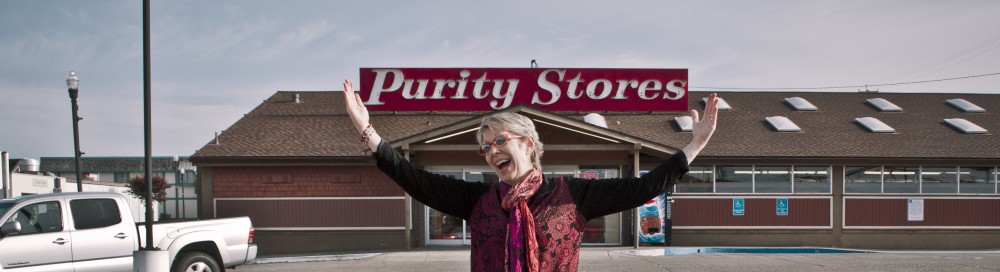
Over the past few years, I’ve interviewed more than two dozen people who grew up along the Mendocino Coast and couldn’t wait to move away, believing they’d never return. But return they did, to establish businesses or professional careers. Some also chose this place to raise children, to nurture them in the small town values that shaped their own childhoods.
These are a new wave of pioneers who, like their forebearers, use intelligence and imagination to forge a vibrant path. In exchange for the privilege of being able to live in one of the most beautiful places on earth, they work long, hard hours.
The shelter in place orders due to Covid-19 have knocked many down, but they are devising ways to get back up and resume their vision of what it means to live here.
They have open minds and are digging deep to find solutions.
They have entrepreneurial spirits that will spawn innovations to move them forward. They are truly the new pioneers of the Mendocino Coast.
We are so fortunate to have them here—especially during this trying time.

Each story shared by the returnees I’ve interviewed has left an impression on me, but Amberly’s touched me deeply. Not only did she keep a beloved and long-running family business going through the Great Recession, she managed to survive cancer while pregnant with her youngest child. You can read her interview here: https://ithappenedatpurity.com/2017/07/12/amberly-reynolds-caccamo/
Despite rising above previous challenges, Amberly initially found the business ramifications of the shelter in place order overwhelming. She struggled between wanting her family and community to stay safe and keeping her business afloat.
“By the time the SIP order was issued, I had already closed Wren’s and was grappling with closing Reynolds,” she says. “In early March, my 11-year-old son and I went to New York City with his class to participate in the Montessori Model United Nations. We returned on the tenth. When we left, there were more Covid cases in California than New York. Upon our return, we learned how rampant it was in New York City. I put myself and the kids in quarantine and we hunkered down.”
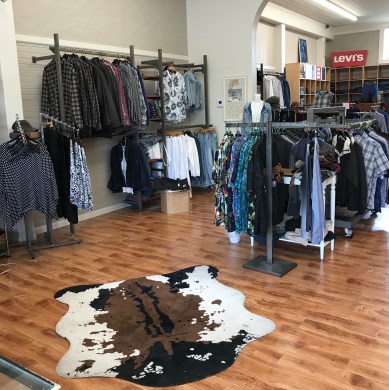
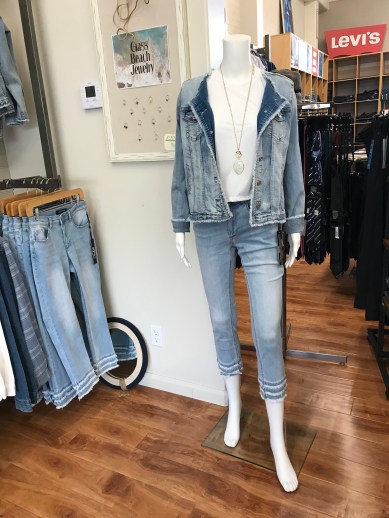
Amberly despairs at the fact that the pandemic has pushed people to make needed purchases online. “Before this, I had plenty of customers who bought clothing from us, even though it was only a click away on their computer.” She’s being forced to make some tough decisions on how to move forward. “It breaks my heart, but I’ll have to combine my two shops into one. I hate to see another empty building on Franklin Street, but I cannot afford two rents and to staff two shops.
“Reynolds Men’s Wear has been in my family 54 years and was a men’s clothing store for 43 years before that. We are nearing our centennial. We have weathered more than a few storms. During the economic period of high inflation in the late seventies and early eighties, my parents spent most days sitting at a window table in the Fort Bragg Bakery across the street from the shop watching for the occasional customer. They managed to survive that difficult time.
“I am steeped in the tradition of this shop. It’s a part of me and makes me who I am. When I help customers find exactly what they need, I feel a giddy satisfaction. This pushes me to carefully select products. I am working on an online presence, but it’s not nearly as much fun as seeing people face-to-face.
“At this point, we are offering limited customer access to the stores and curbside pickup Wednesdays through Saturdays from 12:00-4:00. It’s been nice to see a few faces again—even if they are behind masks.”
Amberly is grateful that her husband’s business, Caccamo Construction, has been able to operate. She enjoys being at home with her three sons. “I see a lot of value in slowing down, and that is a huge part of my decision to merge my two stores. It will give me more freedom to be with my family. We love watching our plants grow, raising goats, and hanging with our chickens. Our dog is so happy to have kids home all day.”
Amberly encourages people to call or visit her shop. “See if we have what you need before you hop online to order. Share our Facebook posts. Interact with our Instagram posts, all of that helps to make us more visible to the public.”
https://www.facebook.com/wrensboutique/


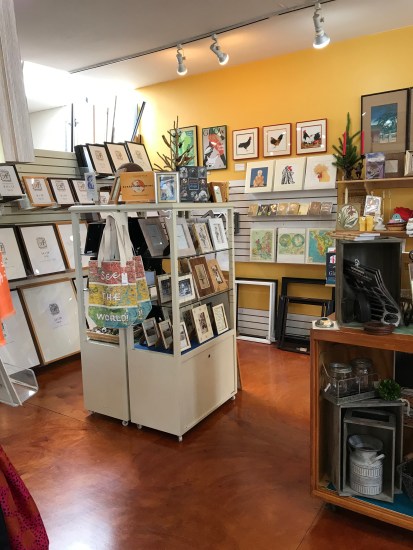
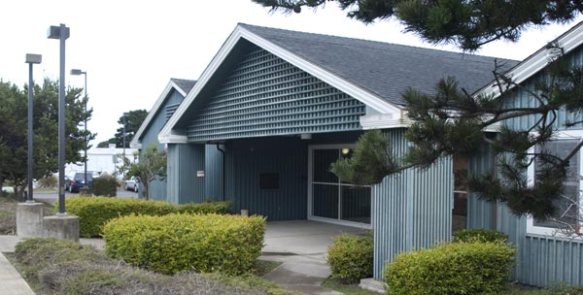
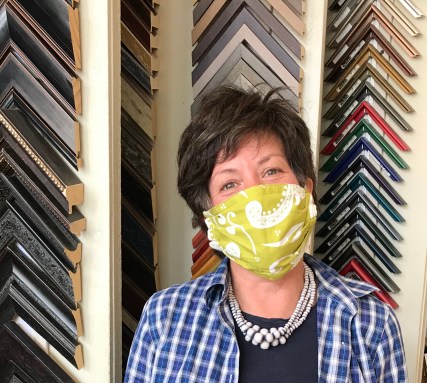 I met Sarena in 2017 when I interviewed her for my blog. She had recently purchased the Frame Mill Art Works. As a first-time business owner, she worried about her ability to succeed. Despite the challenges of learning to run a shop, she’s seen her business grow and is happy she made the decision.

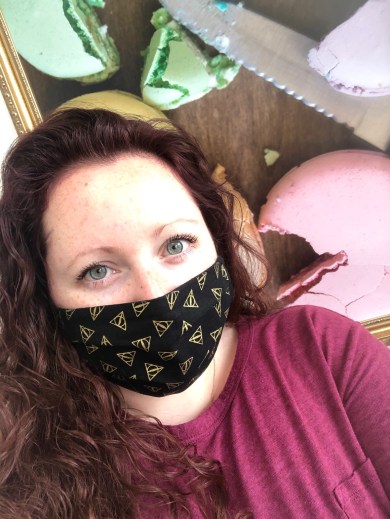 Brittney’s dedication to the creation of artful desserts and specialty cakes was revealed in my first interview with her in 2014.



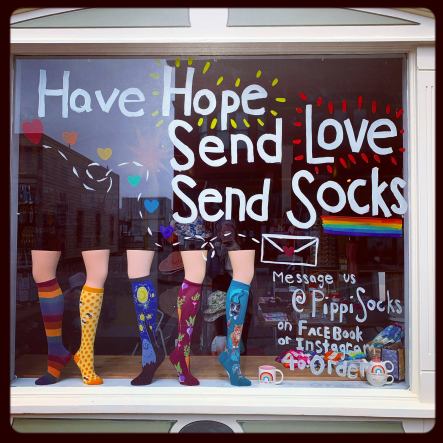


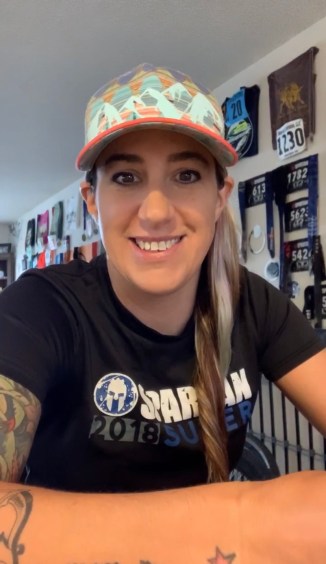


 Carolina grew up fifth in a family of ten children. She has great respect for her parents and their ability to provide for and raise such a large family. Her father has worked in the logging industry for decades and at the age of 65 is a timber faller. Her mother has been a housekeeper at Stanford Inn since 1997. Her father came to this country when he was 15 years old and worked to send money to help is widowed mother and his siblings in Mexico. He eventually made his way to Fort Bragg and in 1979 brought his young bride.
 Carolina wasn’t the first of 50 first cousins to attend college, but she was the first to graduate. Since then, eight others have obtained degrees. Two of her brothers are currently working and going to college, one scheduled to graduate next spring with a degree in mechanical engineering. Her other siblings are gainfully employed; her youngest sister is a senior year in high school.
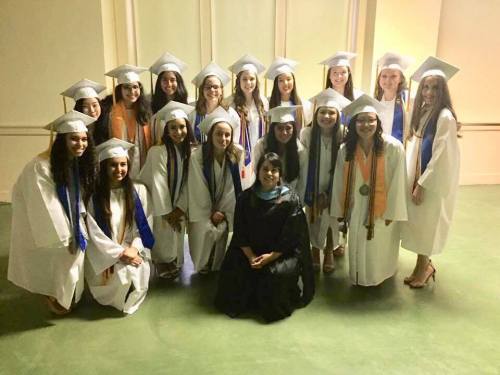 This once shy girl grew into a woman who thoroughly enjoys teaching. “It can be very creative.” During her Master’s program, she became an expert in


 Apparently many Scandinavians believe that by the time we die, the sum of our possessions should fit into a satchel. I suppose this makes disposal of our property easy for our kids—simply pick up the bag and toss it in the garbage. Being half Scandinavian, I suspect it’s really designed to make us feel guilty for accumulating stuff that makes us happy and comfortable. I was raised with the concept that it’s best to live a life of misery and deprivation.
 In my armoire, I found:
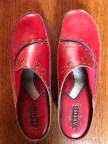 The last Sunday of January, giddy that the dismal month was coming to a close, I celebrated by getting rid of two pairs of expensive, yet uncomfortable, shoes. Toward the end of the day I realized I hadn’t completed my seven. I went to my closet—the perfect place for unused crap to hide. I spied an old gym bag—some swag from two decades ago. I debated over and shoveled five pairs of shoes inside it.
 If you’d asked me how many pairs of sunglasses I own, I’d have said two: a cheap-ass pair bought about 10 years ago and an expensive pair bought two years ago. Imagine my shock to open a cupboard door in my office and find SEVEN PAIRS OF SUNGLASSES!!!





 It Happened at Purity