Natural Born Killer

Harrison, our son, was home for the weekend. Toward the end of his visit, he took me to the edge of the back porch and pointed to the right. “See those gray blobs?”

They looked like small cow pies.

“Notice the tails?”

They weren’t cow pies. They were decomposed rats.

I rushed into the house to confront the sack of fur curled up in the living room.

“Why?” I pleaded. “Why have you become a rat serial killer? And why do you insist on bringing the corpses home?”

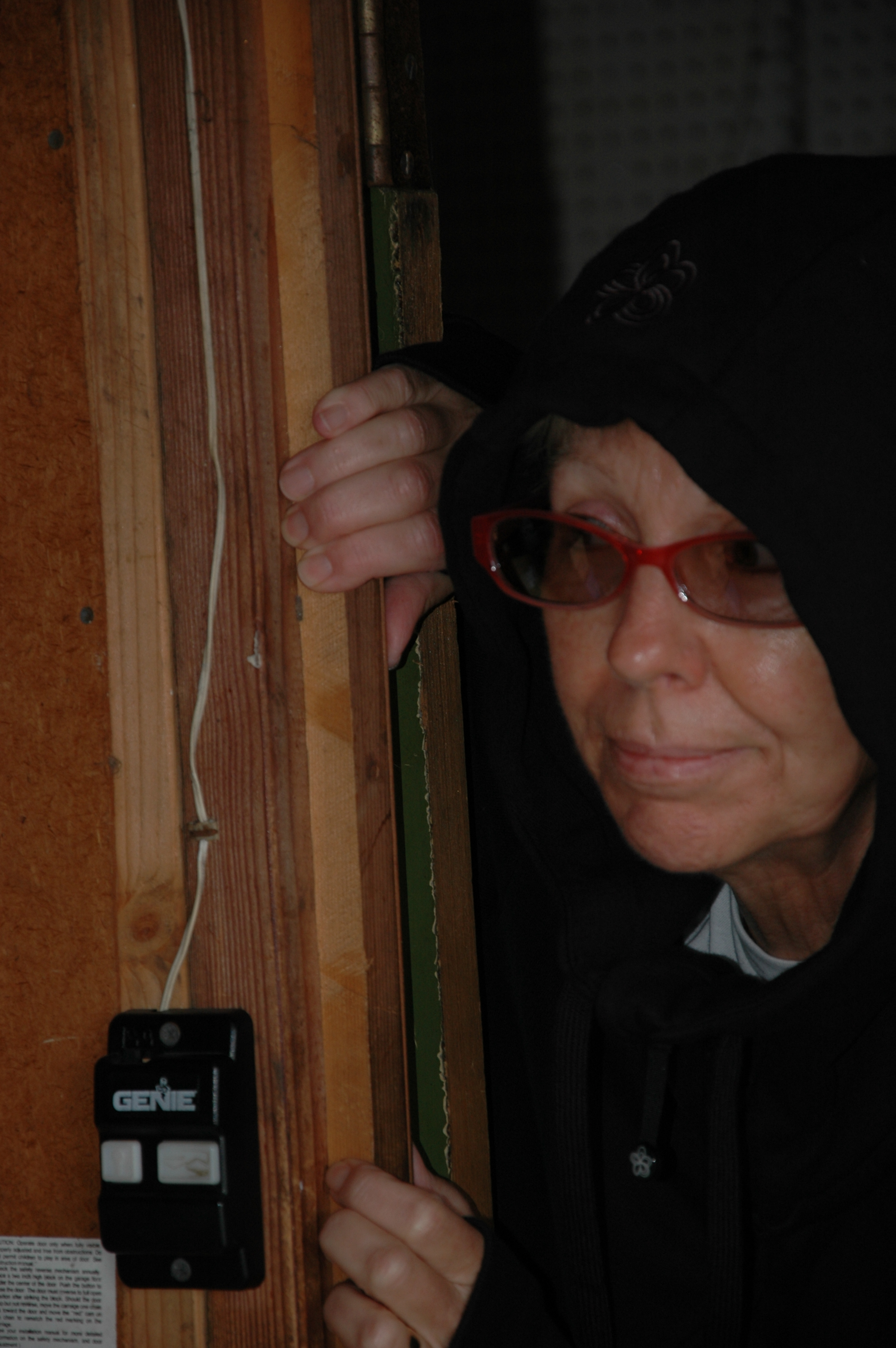
The cat slowly raised his head and squinted. Now, Kate—.

I stood my ground, refusing to break eye contact.

You used to think I was a girl.

Harrison brought the cat home in 2004, the summer before he left for college. He was told by the litter’s owner that the kitten was a girl. I did not know how one goes about sexing a fluffy kitten, and didn’t care. I had a full time job, three other cats (yes, three), a kid in high school, another getting ready for college, and a host of better things—like laundry—to do.

Gary and I wanted to name her Harrison’s Parting Gift, but our daughter, Laine, chose Lily. I referred to her as Little Sister as she fought her way into the established hierarchy of the older cats.

After dropping her at the vet to be spayed and discovering she actually had to be neutered, Little Sister morphed into Little Mister.

He’s not an overly affectionate cat. He will never sit on your lap. He’ll stand on it (or your chest if you’re lying down) and ask to be petted. He’ll insist on a round of pets whenever he gets up from his day-long nap. He does cuddle in bed at night—at least until one o’clock in the morning when he wants to go out and at three o’clock when he wants to come in until five o’clock when he wants to go out again.

If you show too much interest, he’ll dust you off like a hung over A-list movie star ignoring an autograph seeker.
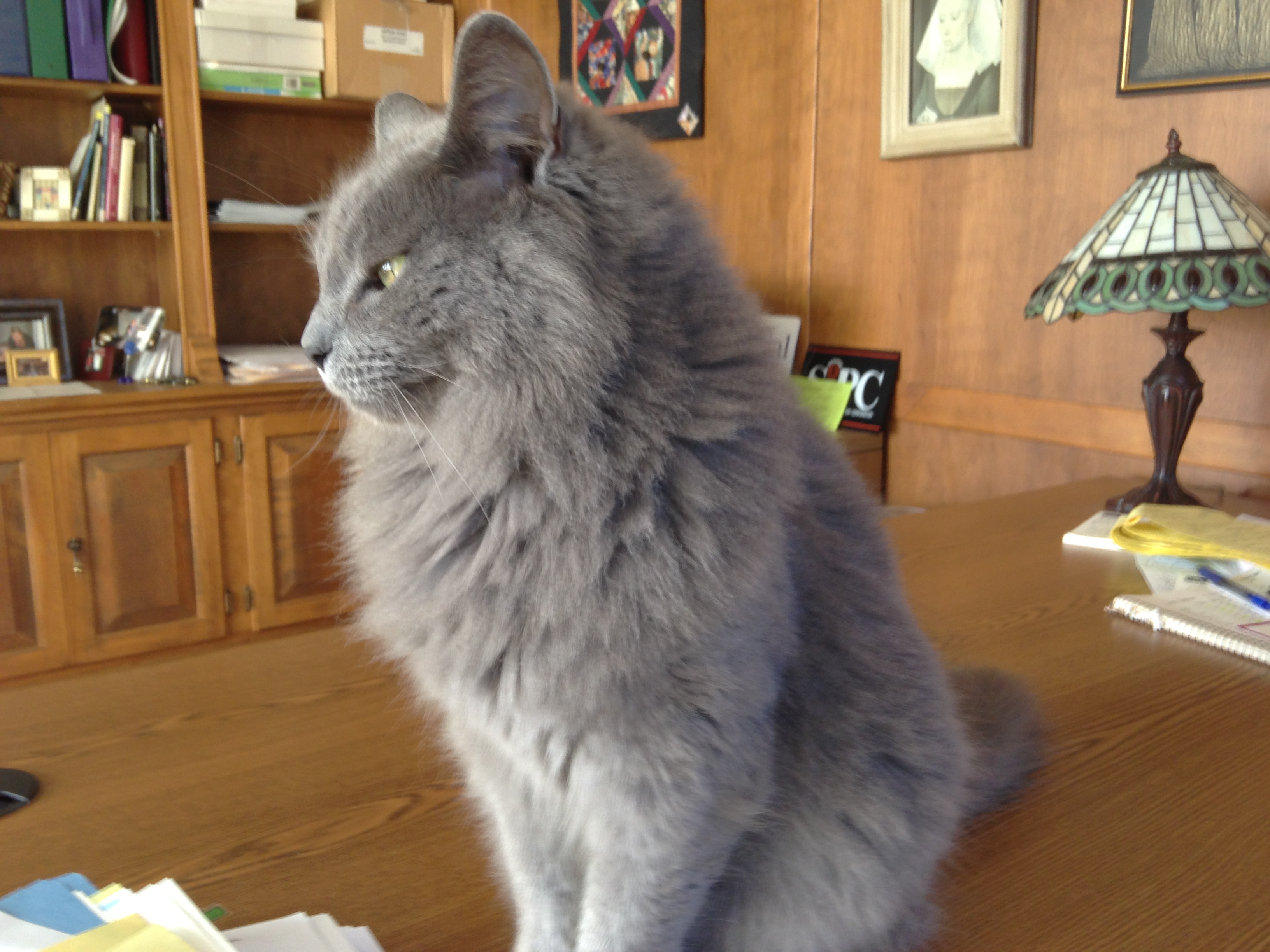
From the time Little Mister was teensy, I sensed a feral quality about him and insisted he sit in my lap and endure petting whenever he was fed. Without that training I don’t think he’d be as domesticated as he is today.

Over the years, he’s dragged home smatterings of torn up critters, usually of the mole or mouse variety. But this past month, he’s become rat obsessed. He’s presented us with at least 10 of them. He leaves them in the Easter lily bed to the right of the back porch—an area we now refer to as Rat Hollow.

The first several rats sent my goose flesh flaring as I donned rubber gloves to grab their tails and drop them into a plastic bag for garbage can burial. Since then, my traumatized brain will not allow me to look at Rat Hallow. Thus, the last three decomposed to the consistency of cow pies.

Laine, our family cat expert, says that Little Mister’s recent bountiful gifts of rat corpses are signs of gratitude—he likes us and wants to make sure we’re well fed.

I have a difficult time believing that he gives one hoot about us. I think he hypnotizes me into feeling deep affection towards him. He draws me in by allowing a petting session. He’ll lick my hand and rub his head along it multiple times before jumping to the floor, which leaves me feeling used. I’m pretty sure he could suck out my soul as I lie sleeping.
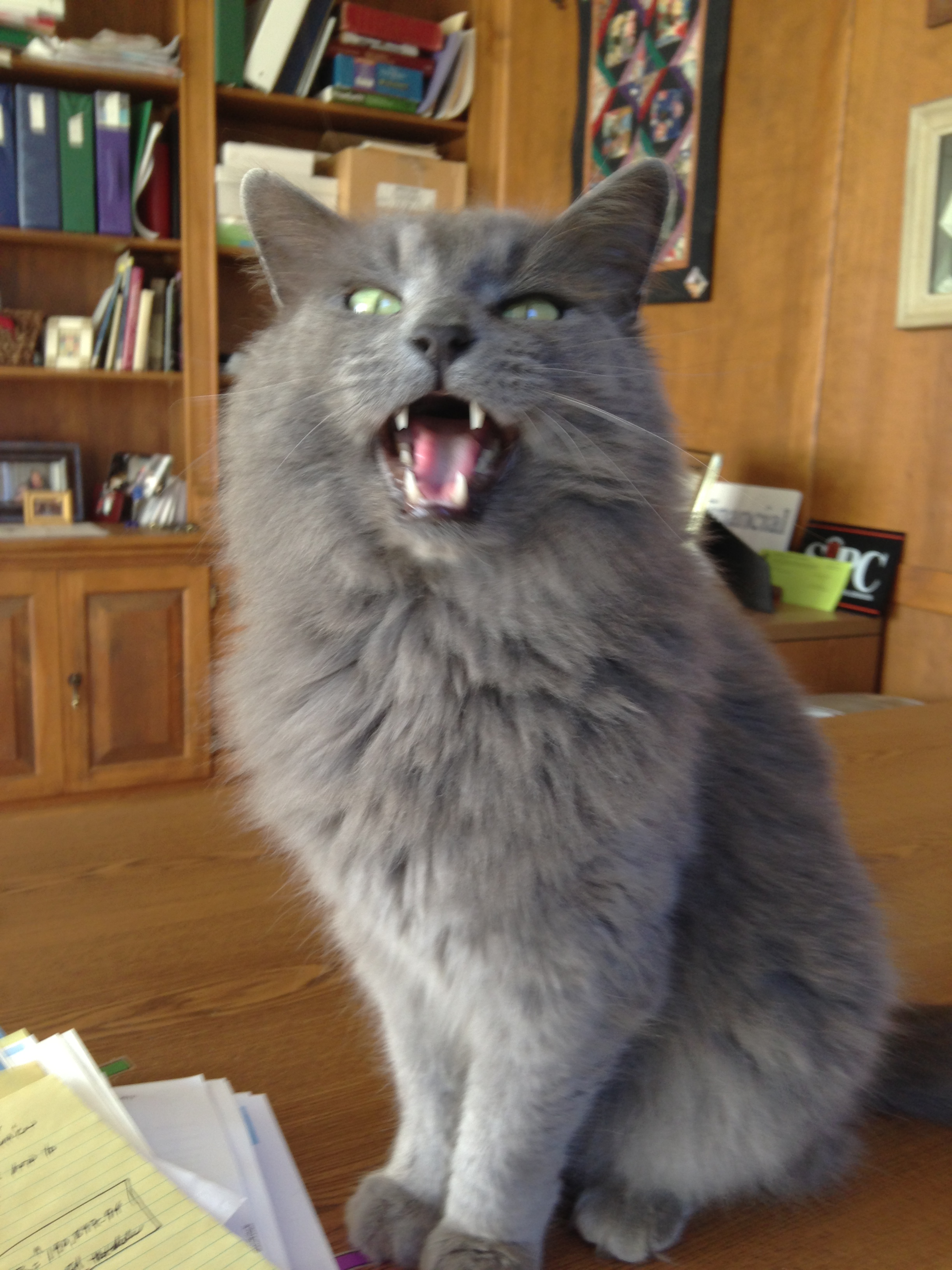
Laine says some cats are just plain killers. They hunt not for food or for sharing with their owners. They kill for the thrill. This seems in line with Little Mister’s recently completed personality profile on The Big Five Personality Test. He got high marks for being closed minded, disagreeable, and high strung. He failed miserably at being conscientious.

Uh-oh, he just hopped on my desk and is reading this.

You only weigh 13 pounds. I’m not afraid of you.
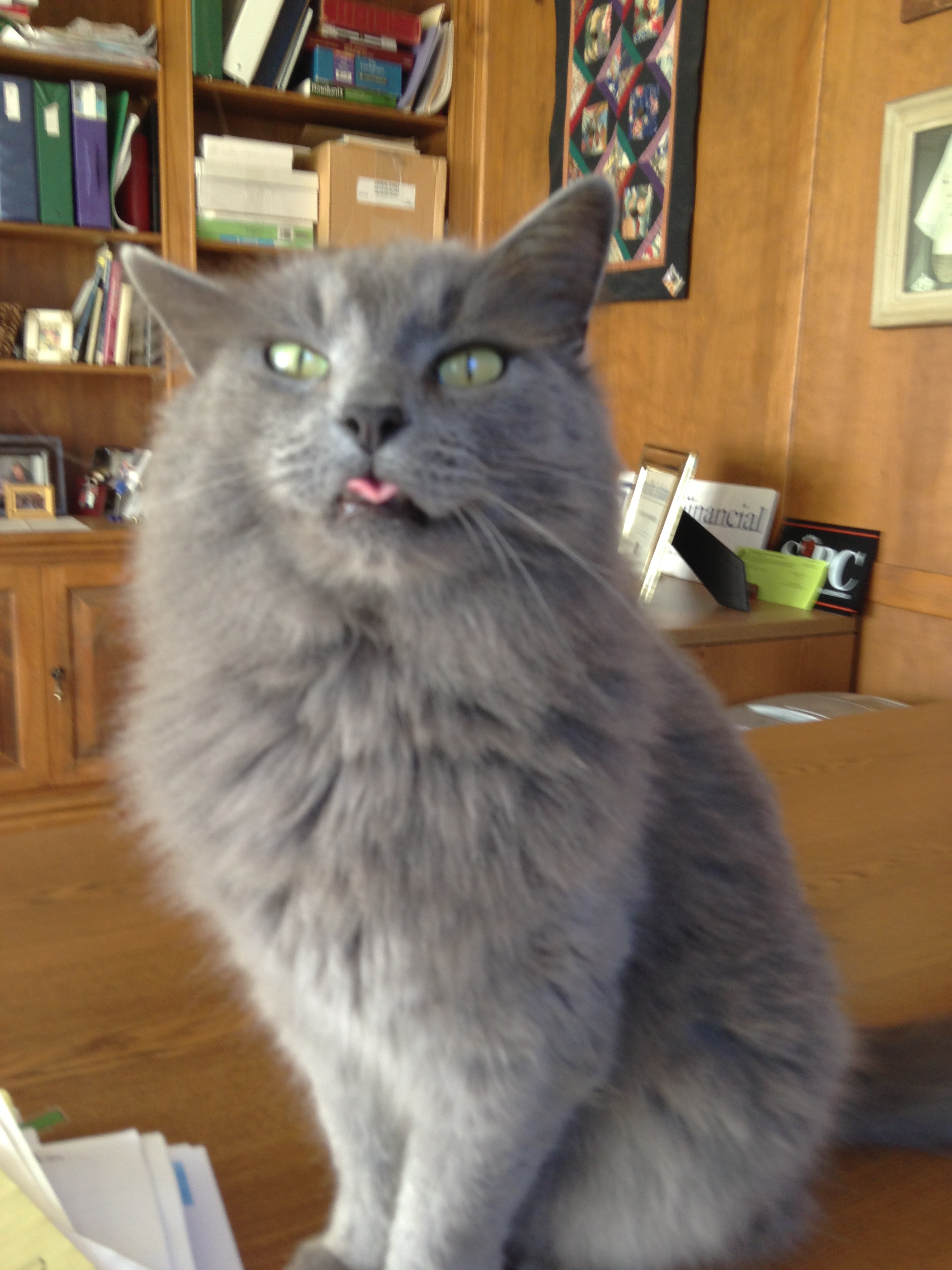
You should be. (He’s thumping his tail.)

Let me give you a pet, my sweetheart. You know I love you.

Of course you do. If you didn’t, I’d steal your soul.

Purity Pairings

I bought these Organic & Artisan-Baked Doctor Krackers today because:

(a) They are on sale;

(b) They are an example of the many hidden treasures to be found at The Purity; and

(c) They look healthy.

At home, I opened the package and popped one in my mouth. My assessment:

(1) Hay probably has a similar flavor profile.

(2) It is a food that falls into the acquired taste category.

I paired the crackers with homemade tomato soup. My assessment: after eating a cracker, a spoonful of soup somewhat neutralizes the hay aftertaste, making it more—yet still not quite—palatable.

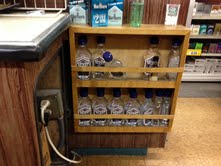
I imagine these crackers might be best appreciated by paring them with Taaka Vodka (kept, for anti-theft or fire prevention code purposes, behind the counter at The Purity).

Follow these instructions and tell me how it works out:

(1) Take a large slug of Taaka.

(2) While your tongue is burning, put a cracker in your mouth and start chewing.

(3) Quickly—very quickly—wash the cracker down with another shot of Taaka.

(4) Guzzle the remaining Taaka.

(5) Lay down on the sofa, place the open cracker container on your belly, and turn the TV to any channel (it won’t matter because you won’t remember what you watched). Enjoy the healthful benefits of eating this snack while your taste buds are impaired.

Neighborhood Watch

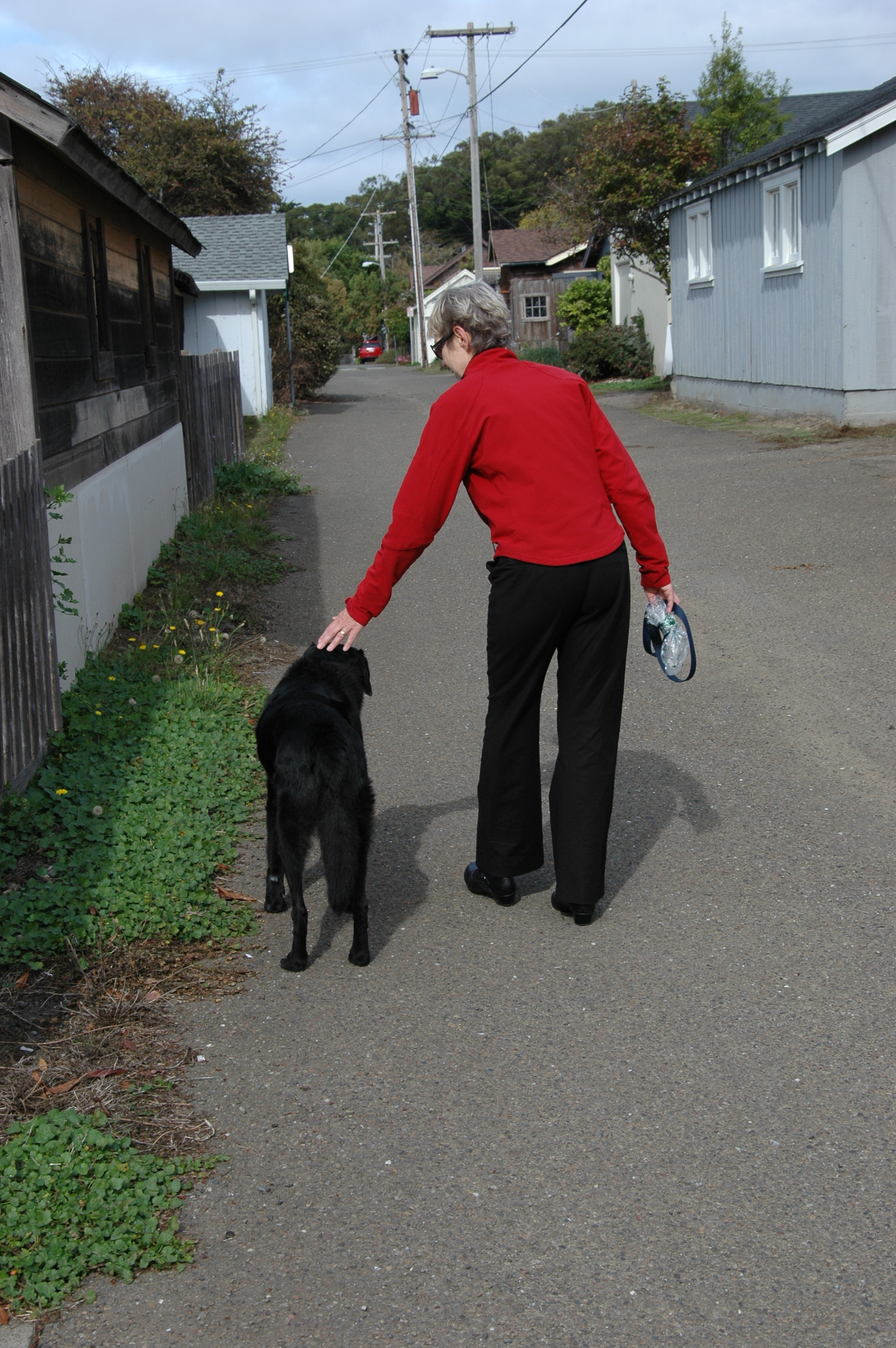
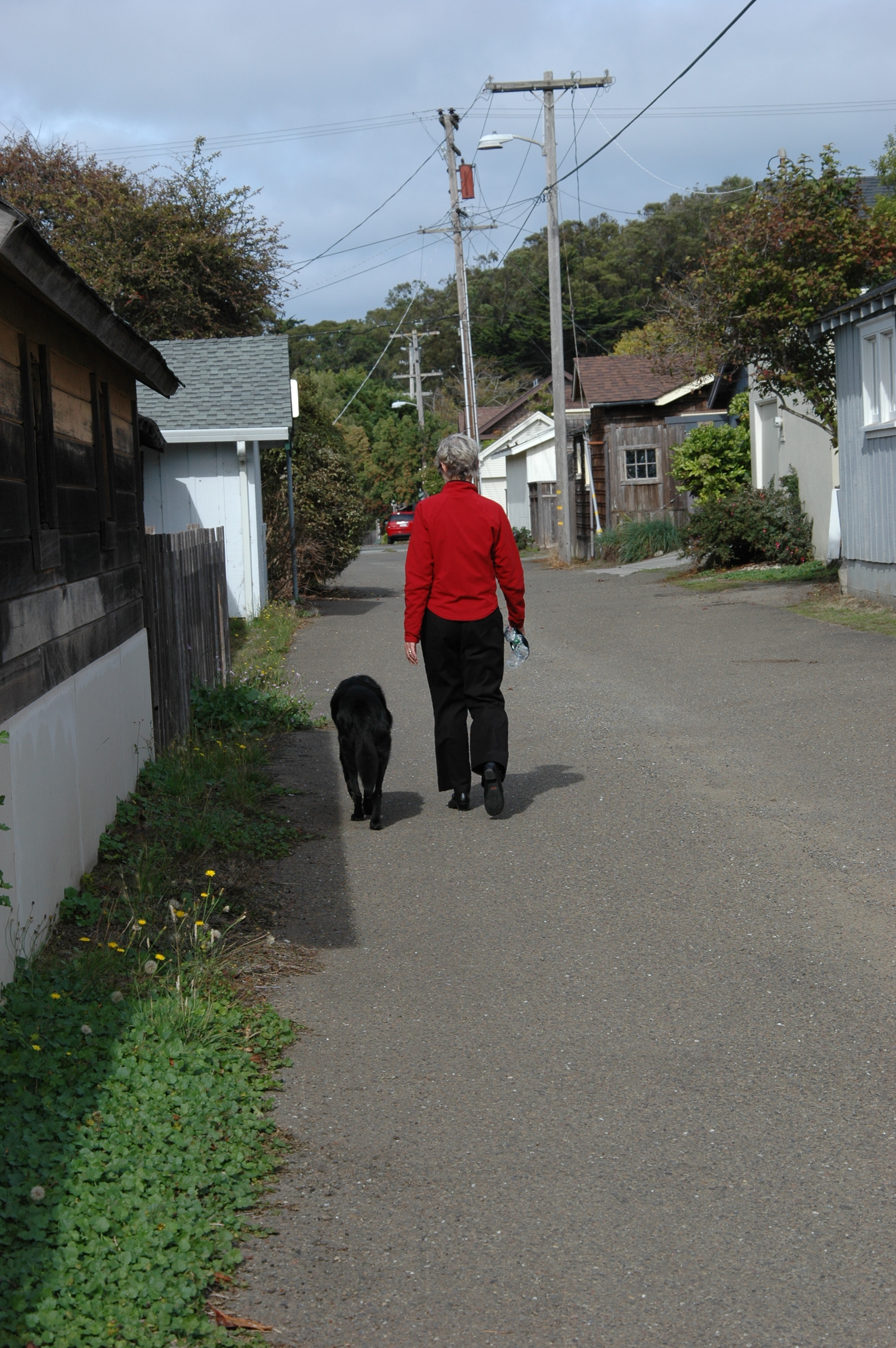
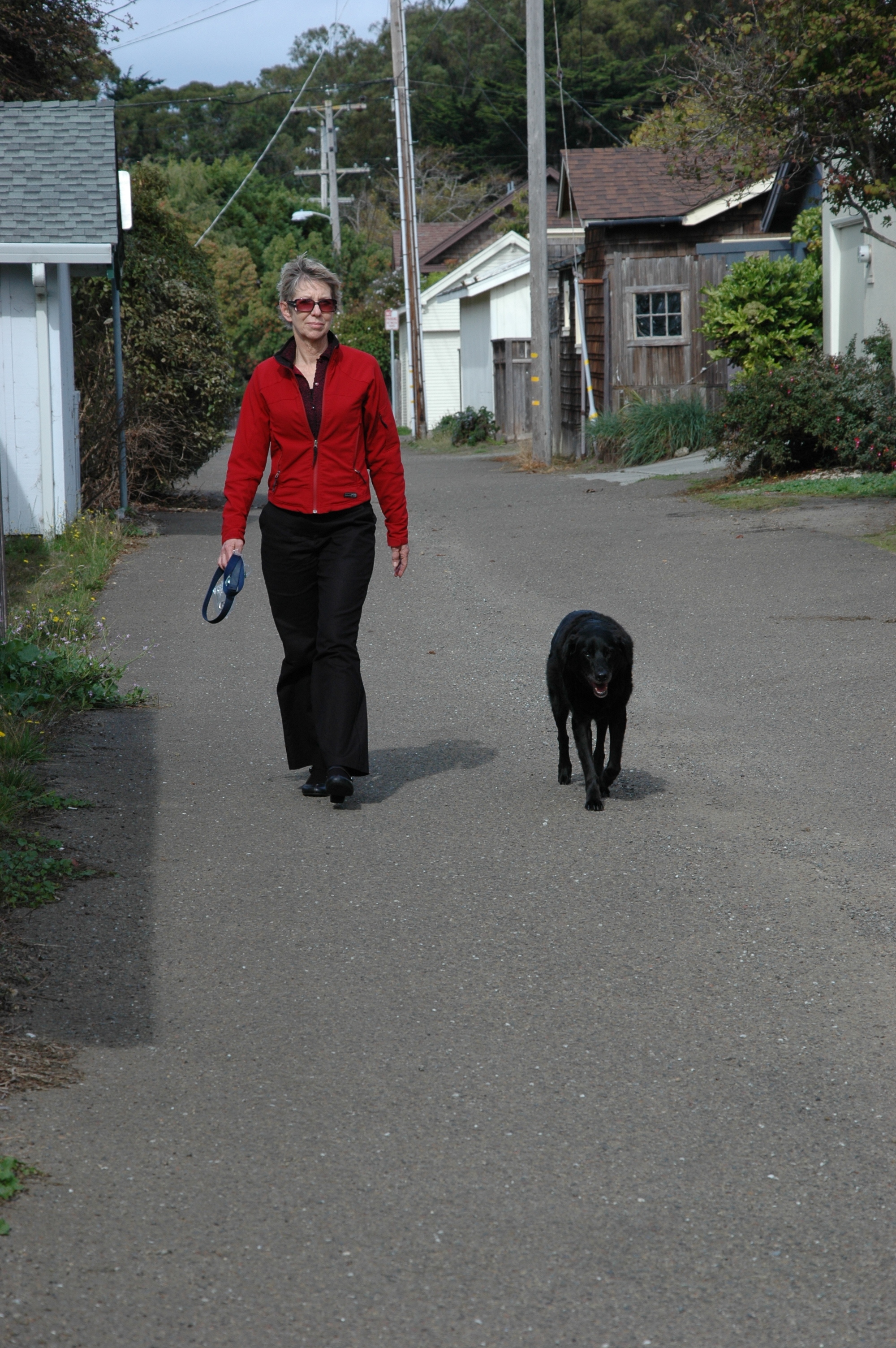
In the past couple of months, I’ve initiated a special weekend event with Wilson called the Homeless Dog Walk. I often see homeless people with well-behaved dogs heeling at their sides without a leash. For years, I’ve been envious of this feat. While I have been successful in training dogs to heel, I’ve never managed to do so without a tether.

I figured that after 14 years and 5,000 miles, Wilson can behave himself off leash for at least 10 minutes. (I bring along a leash in case he ignores me and wanders off.) The first few times, he was nervous— hesitant to leave the yard and turning back home as we ventured down the alley behind our house.

He now looks forward to this taste of freedom. He also maintains a fairly consistent heel. When he starts to wander a few feet away, I simply touch his back to get his attention. I don’t yell because he’s mostly deaf and I don’t want people to think I’m a dog abuser.

The Homeless Dog Walk meanders around the back streets of the neighborhood. This area is so quiet that street hockey teams could play all day with little vehicular interruption.

Cesar Millan, The Dog Whisperer, says “The walk should be like prayer.” And so it is with the Homeless Dog Walk. I savor each one, knowing it could be the last in the life Wilson and I have shared.

This past Sunday, we got to the end of the alley to find a neighbor trimming a bush inside his fenced yard. Wilson heard the snap of the hedge shears and drifted across the street toward the sound. I trotted after and herded him onto the sidewalk.

(Fun fact: this particular man has lived here about five years. Each time I see him, I smile and say hello. Each time he looks straight at me and turns away. Fortunately I don’t see him that often, but when I do, I continue to smile and say “Hey.” Perhaps he finds this torture. I enjoy torturing him with neighborly cheer.)

Mr. Neighbor said, “Looks like he could use a leash.”

I was pleased that after all these years, he finally acknowledged me. My friendliness had broken him down.

I smiled brightly and chuckled. “He’s 14 and I take him out a couple of times a week for a few minutes. It’s his little treat.”

Mr. Neighbor did not return my smile. “There’s a leash law. You need to put him on a leash.”

“He’s 14 and it’s just a short walk.”

“THE LEASH LAW APPLIES TO EVERYONE!” He turned a dark tomato red and sprouted black horns.

I put the leash on Wilson. “I’m sorry. I didn’t mean to offend you.”

And then he said in a tone conjured by 13-year old girls when speaking to their mothers, “It’s a good thing you’re so special.” The word special was said with such heat that I swear he blistered his tongue.

I was stunned. I wanted to—let’s just say the hair on top of my head burst into flames and a number of acts of physical violence flashed through my mind.

The sharp blades of his hedge shears glinted in the late afternoon sun. Staring me down with his raging eyes, he clapped them shut and pointed them at me.

I locked eyes with the insane.

Regular readers will know I’m capable of running, but my poor old dog is not. I don’t normally take my pepper spray or shotgun on these walks. And God forbid I’d have my cell phone.

What to do? What to do?

I dropped my eyes, turned away, and slowly led Wilson up the street—all the while keeping my ears alert for the click of a gate latch and the soundtrack from the Psycho shower scene.

I engaged in deep breathing exercises (good juju in, bad juju out) until my hands stopped shaking. A block away, I removed Wilson’s leash. I refused to allow this Napoleonic man to ruin our sweet walk.

Maybe Mr. Psycho is the Neighborhood Watch Captain or self-proclaimed Dictator of the Hood. Kudos to him for keeping the area safe from jaywalkers, sidewalk bicycle riders, and mid-century women taking their geriatric dogs on short walks without a leash.

I sleep better at night knowing he’s on the job.

Parking Lot Hit

It’s a new car, a tricky parking spot at The Purity, Gary is babbling, I’m grousing, and it’s raining. An 80’s era pickup painted with white chalk is parked in my PPPP (Preferred Purity Parking Place)—the one next to the sidewalk, facing south, the one that offers a panoramic view of Franklin street action. While I wait for Gary to pick up a few groceries, I’ll have no entertainment. Bitterness knocks and I invite it in.

The pickup hogs the space, sitting on the white line. I pull in next to it, compensating for the room he should have left. I really do not want this to be the day my new car gets its first blemish.

After Gary goes into the store, I realize in trying to keep my car safe from the antique pickup, I’ve parked too close to the left line. What if someone pulls into the parking space on the left and slams my car with a passenger door? I’ve got to resituate my vehicle.

As I back out, I feel a tad resistance. I stop, craning my neck over my right shoulder. I strain to look out the fogged back window and see nothing. I put the car in drive and prepare to more efficiently pull into the parking space. Something catches my left peripheral vision. I turn my head to see a very angry man.

“YOU HIT ME!”

Yikes!

He looks to be in his thirties, his brown hair not too disheveled (despite the rain). He’s wearing clean clothes—a black zip-up sweatshirt and dark jeans. He doesn’t look crazy. He looks barely this side of bursting his carotid artery.

I’ve never hit anyone before. I start to shake. Was I using proper surveillance techniques when I backed out? I didn’t see him behind my car. I must apologize. But where is the button to roll down the window? It’s a new car. I don’t know!

I crack open the door and say, “I’m so sorry.”

“THIS IS WHAT LAW SUITS ARE MADE OF!”

“I’m so, so sorry.”

“YOU HIT ME ON PURPOSE!” His face borders on purple.

“No, really, I didn’t. I didn’t see you. I’m so sorry.”

“YOU NEED TO WATCH WHERE YOU’RE GOING!”

I’m sorry, I’m sorry, I’m sorry.

He walks towards the post office. I shut the door, pull into the parking space, shut off the engine and tremble. He’s not limping so I don’t think I’ve done litigious damage.

Oh my God, is this the beginning of the end where I lose my competence behind the wheel? What will I do when my children confiscate my keys? I hit someone—a human being—and I didn’t even see it happen.

It’s my bad karma for being in a hurry and grousing at Gary. I vow to be a kinder, gentler person.

Gary gets in the car.

“I hit someone.”

“Did you scratch the car?”

“I hit a person.”

“What?” He speaks through a burst of laughter.

As I relate the story, Gary calms me down by stating the obvious. “The man walked away. You didn’t hurt him. Good thing it’s a new car—there’s no license plates yet. The cops will never find you.”

“Are you kidding? It’s a red Honda Civic with no license plates. After being in Fort Bragg a week, every cop knows this car.”

“Hurry, get home and park in the garage.”

Our friend Laurie comes to dinner that evening. I mention I hit a person in The Purity parking lot.

“I did that last week,” she says. She was backing up to pull out of a parallel parking spot in front of the post office. (I’m jealous that she can still parallel park.) “I looked at my backup camera” (I’m jealous that she has a car with a backup camera) “and saw nothing. I felt a bump, like someone had slammed their fist on the trunk, and this guy started yelling that I’d hit him.”

Ah-ha! The You-Hit-Me-On-Purpose-Guy!

Guilt and self-doubt are replaced by anger. What a jerk! He hit my car and then made me feel bad. Next time I see him, I’ll hit him for real.

I haven’t seen him. Maybe he miscalculated his last extortion attempt and is lying in traction in orthopedic rehab.

I hope so.

First Job

When my kids were teenagers, I frequently accused them of being lazy and ungrateful. (I know, I know—I’m a terrible mother.)

In an effort to stoke the guilt fire and motivate them, I did not have to make reference to some faraway third world country where children lacked basic necessities—food, heat, running water, their very own cars. I only had to point to the hardworking families in Fort Bragg where Dad and/or Mom worked two jobs and their children had to work and take on domestic duties from a young age.

I never admitted that I was a lazy, self-absorbed teenager. Outside of babysitting, I managed to stave off gainful employment until the summer after I graduated from high school and took a job as a janitor.

Ask my mother how she enjoyed the irony of my being employed to dust, vacuum, mop, and clean toilets. She never laughed in my face, but I’m certain she had moments of hysteria in her basement sewing room.

I’d applied for several jobs (okay—two) during the last month of my senior year, but never got an interview. I complained to my buddy, John Donner, whose dad owned a janitorial business. The week after graduation, John’s dad offered me a job. I would work from 6:00-9:00pm five days a week for $1.60 an hour.

The first night, John’s dad met me at a small insurance office building near Deaconess Hospital and offered a 15-minute orientation. An hour later, I met him at Valley Volkswagen where he spent another brief period showing me what to do. He gave me keys to both buildings, and forever after left me alone.

The first week was a challenge, as I took care to do everything perfectly. After that, the job became a dull routine. I brought along a portable radio and tuned it to my favorite rock ‘n roll station. The music allowed me to sing and dance which spiced things up and made the time pass quicker.

One night, Stairway to Heaven started to play as I feather-dusted desktops near a wall of windows that looked out on a grassy area. As the song shifted into high gear, I grabbed the industrial-size dust mop and started on the floors.

And as we wind on down the road
Our shadows taller than our soul.

The dust mop handle became the microphone through which I belted out the lyrics. I worked that mop across the floor with the wild abandon of a rock star. Turning to the audience on the window side of my stage, I saw a tween-aged boy, frozen on the lawn, gaping drop-jawed.

I stopped my performance, lowered the microphone to waist level, turned my back, and slowly pushed the mop around the remainder of the floor. “Little turd.”

Another night, I met an employee of the insurance company who was working late. She was friendly, about my mom’s age, and chatted as I went about my business. She told me she had a son five years older than me.

A week later, her son just happened to drop by the office. She was all atwitter over introducing us and tried to motivate conversation. He and I exchanged smiles, and avoided eye contact. He was well groomed, gainfully employed, and not a musician—definitely not my type. I’m certain he wondered if I ever combed my hair or changed my artfully patched plumber’s jeans.

The matchmaking did not go well and I thought that was the end of it. A month later, when I began a new job working the cafeteria line at Deaconess Hospital, he appeared across the steam table.

He asked if I remembered him.

I had tried so hard to forget.

He wondered if I’d like to go to a movie. I told him there were strict rules against socializing on the job. He apologized and asked for my phone number. I gave him a fake number. I felt guilty, but it was the only tool available to my 18-year old self to tell this guy I wasn’t interested.

The entire time I worked as a janitor (three long months) I suspected the experience would prove advantageous in later years. And so it did—it became my I walked six miles each way to school through knee-deep snow story related to my children more times than they cared to hear it.

In comparison to subsequent jobs, being a janitor wasn’t that bad. It allowed me to laze around all day, work for a few hours, and party afterward. (My kids don’t need to know that.)

Occupying Fort Bragg

It’s Friday afternoon and I feel the need to occupy someplace other than my home office. I grab my camera and head downtown.

I walk by Bainbridge Park and a cryptic message catches my eye.

From there, I continue to the Mendocino Cookie Company where I occupy myself by purchasing two chocolate chip cookies and a latte. I know, I know—I’m playing with fire by ingesting caffeine and chocolate so late in the day, but I’m itchin’ to live large.

I move south along Main Street to Alder, an intersection dominated by branches of two major banks—Bank of America and Chase. I want to see how Occupy Mendocino Coast is shaking up the corner. (Their website invites people to occupy this area every Friday and Sunday from 3:00-5:00pm.)

I meet Linda who stands proud with her signs and Occupy visor. When I ask about the others, she says, “Most of them don’t show up until 4:00.” Their tardiness doesn’t dissuade her from standing alone. I’m impressed by her persistence and courage.

I seek out the Bank of America security guard hired to protect the premises from Linda. As I approach, he cautiously returns my greeting. I tell him I want to take his picture for my blog. He says, “Yes, I know. I heard you talking to that woman.”

I’m awestruck by his superhuman auditory powers (although he may have been hiding in the bushes while I spoke with Linda). It’s truly remarkable that he was able to pick out a conversation amid all the raucous protesting. Apparently Bank of America hires only the best.

I ready my camera.

“You can’t take my picture, mam.”

“No?”

“No mam.”

I’m thinking I can nab a shot, quickly bust out of Taser range, and dust him over the long haul. After all, I completed a triathlon last year and can run a few miles before falling on my face in a puddle of my own vomit. He’s on the portly side and stands around all day doing nothing besides opening the door for bank customers.

But I’m not in the mood for an altercation. I have cookies and a latte to finish.

I walk past The Purity to feel the vibe. One of my favorite street people, Hans [not his real name] is cavorting with a woman on the sidewalk. We have a fairly close encounter which allows me to recognize her, but won’t allow me to pinpoint the source.

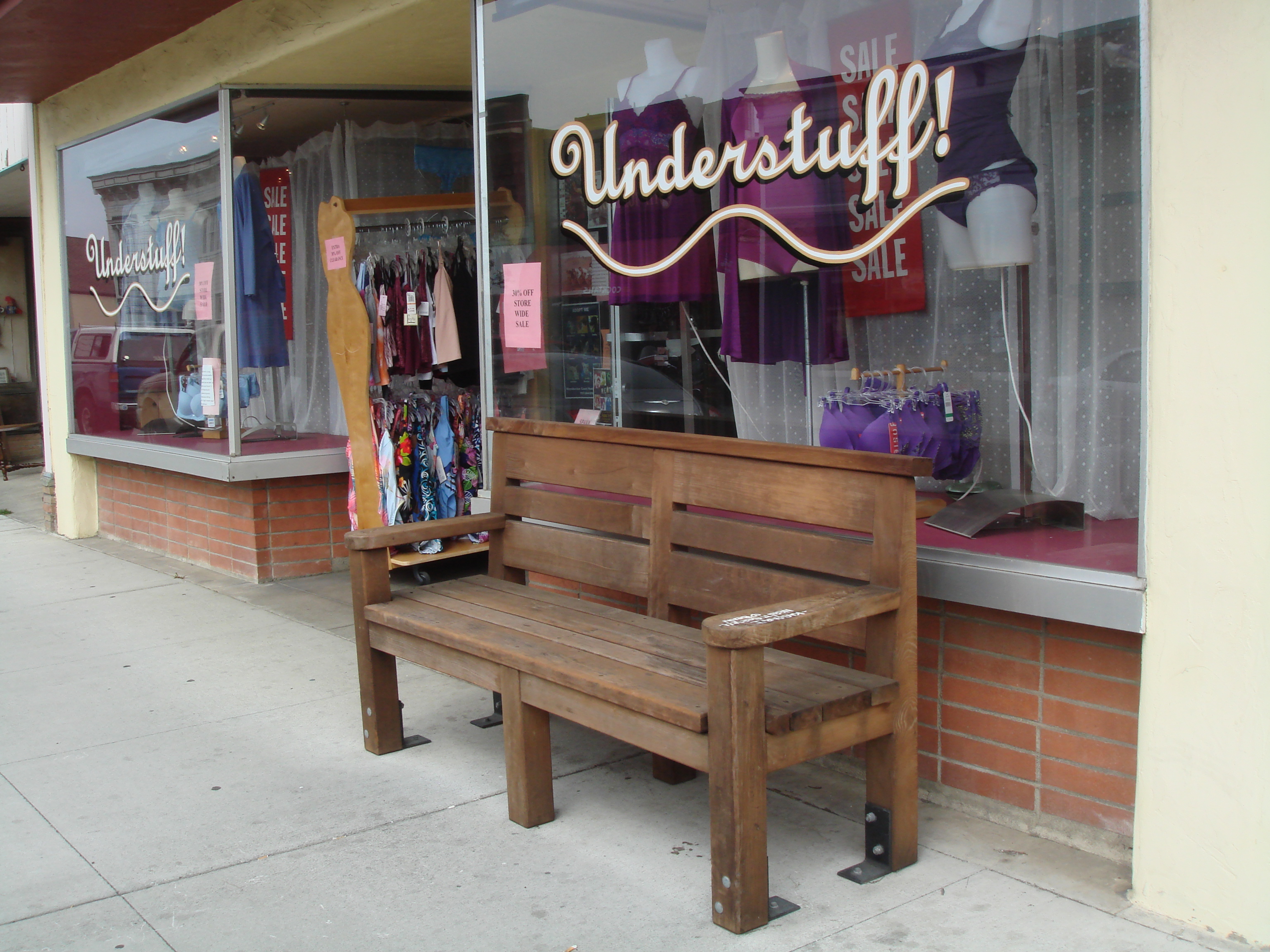
I continue to walk north and stop to occupy the bench outside of Understuff. It then hits me—Hans’ new girl shows up in the Mendocino County Sheriff’s Booking Logs more frequently than Heidi Klum shows up on fashion magazine covers.

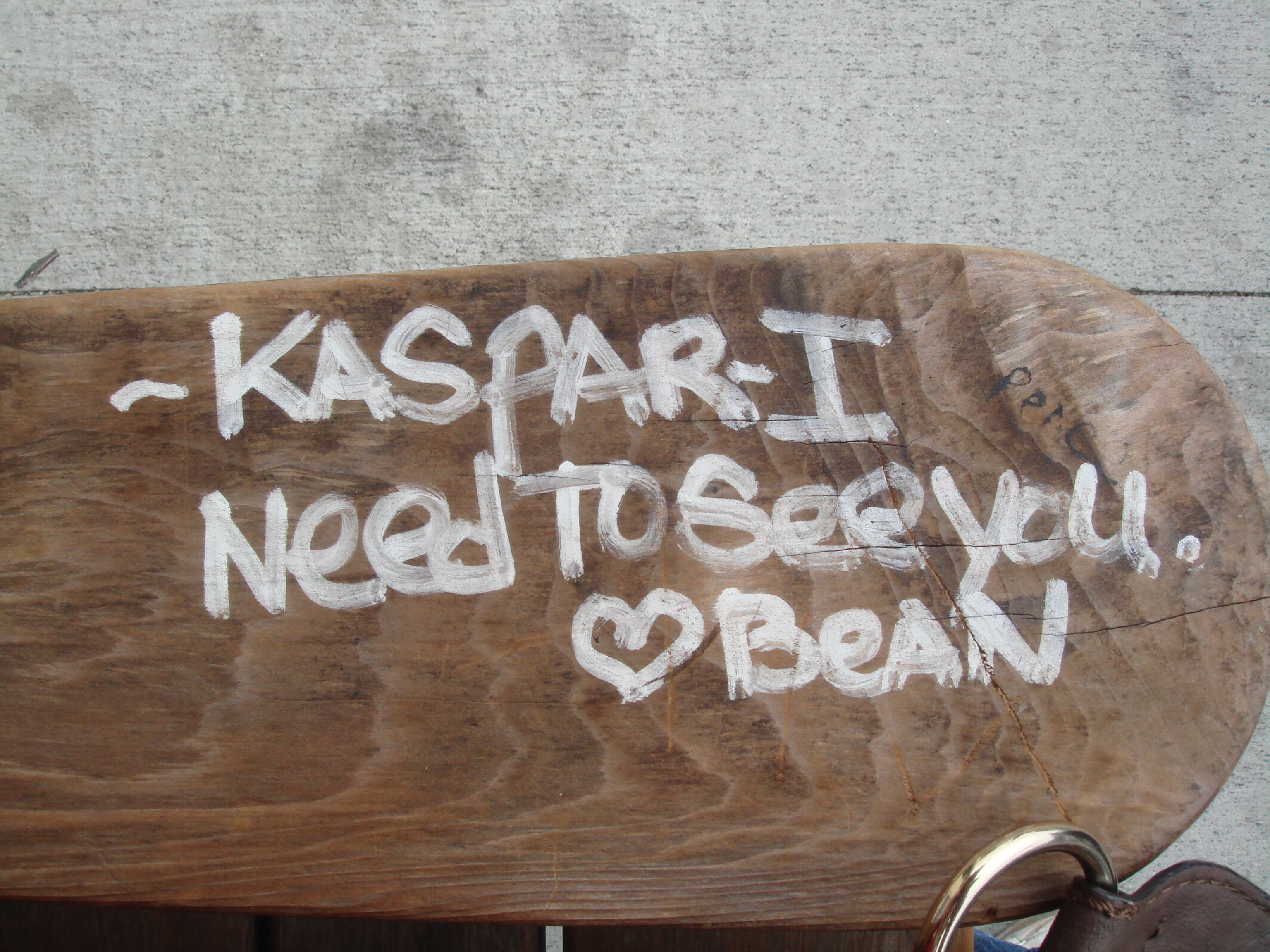
I place my coffee cup on the bench arm rest and spot another message.

Who is this Bean? What did J. Jones and Kaspar do to cause Bean to place these messages in such random places?

It’s nearly 5:00 and the Tip Top Lounge across the street is gearing up for a night of drunken delight. One of the outside smoking regulars hollers, “Hey! Where’s your dog?”

I shrug my shoulders and raise my hands, palms up—the universal sign that I only speak Norwegian.

“Come on over and I’ll buy you a drink.”

“No takk [Norwegian for thank you],” I say with an apologetic smile.

I un-occupy myself from the bench and use my caffeinated fuel to propel me down the street. I return home fully satisfied with an afternoon spent occupying Fort Bragg. I now understand why the movement is so popular. I’ll have to do it again soon.

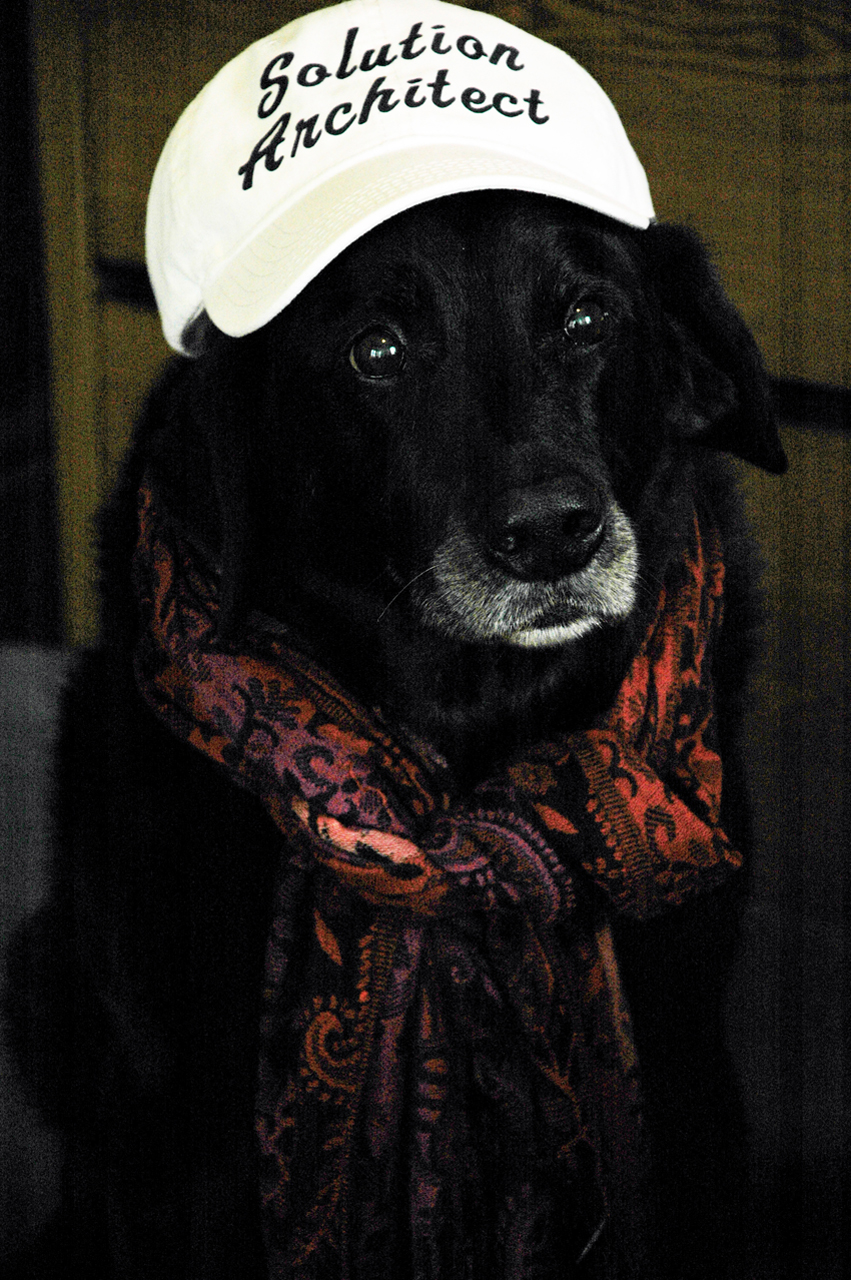
Solution Architect

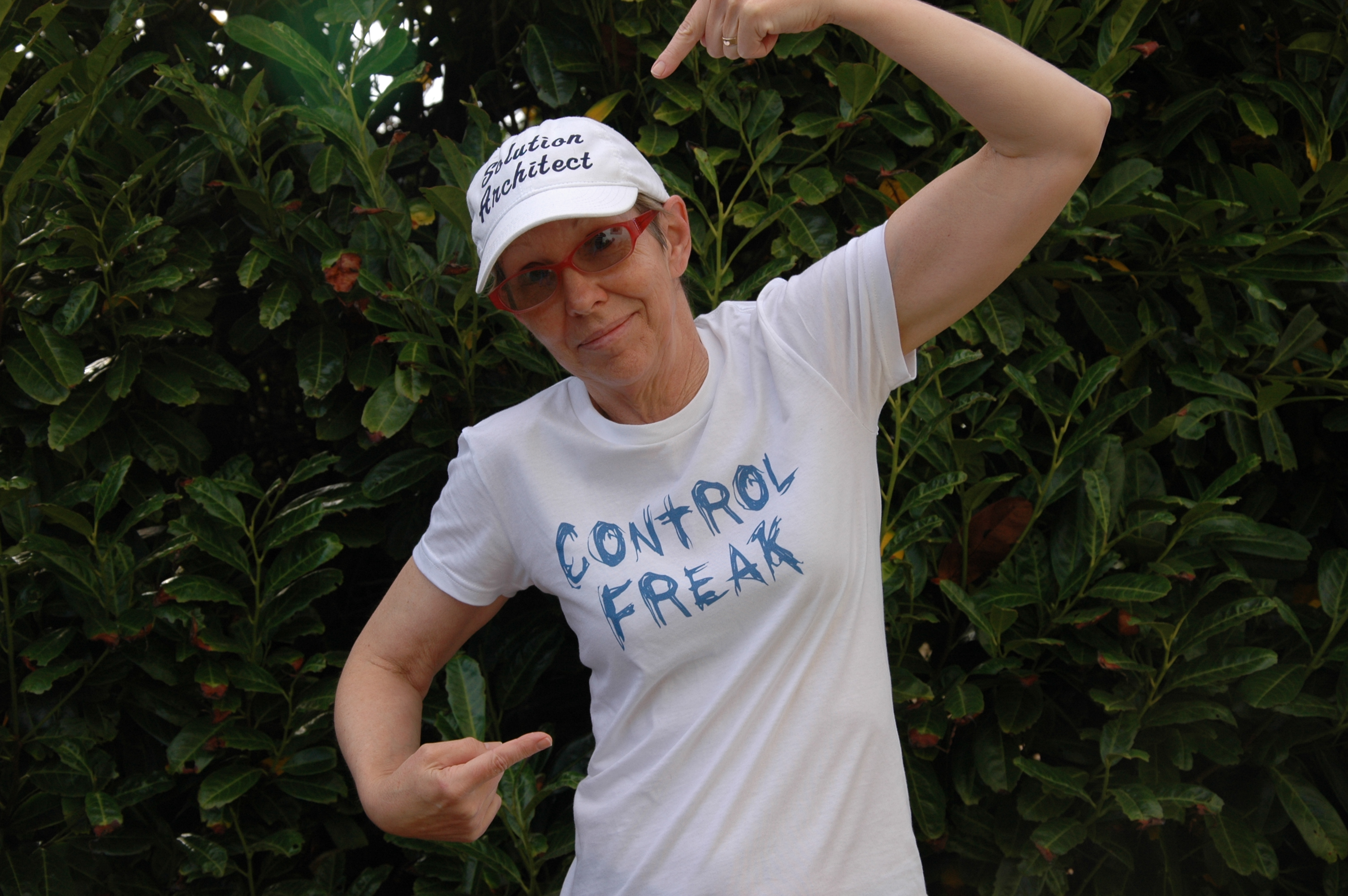
While shopping at The Purity recently, someone (who shall remain nameless, but is my only family member currently residing in Fort Bragg) called me a control freak because I suggested that he shouldn’t buy a bag of pork rinds to satisfy his whining need for a snack. “They’re not good for you and they smell like farts.”

This is the one-millionth time I’ve been labeled as such (I have a clicker on my belt) and I’m still not entirely certain what it means. I looked up the definition on Wikipedia: “In terms of personality-type theory, control freaks are very much the Type A personality” blah, blah, blah.

As a Type A personality, I get a great deal accomplished and successfully spur others into action (that is, until they stomp their feet in the middle of The Purity and start crying and calling me names).

My belief is, if you’re going to tell me your problem, you’re asking me to take control and find a solution. Otherwise, why would you tell me? Why would I listen? At a recent appointment, my therapist gently suggested that this approach is devoid of compassion. Sometimes people need to talk or do things without hearing my opinion.

Driving home, I was formulating a plan to fire my therapist when my son called.

I told him, “A member of our family (who shall remain nameless, but is the only one besides me who currently resides in Fort Bragg) called me a control freak.”

“I dialed the wrong number,” he responded. “I meant to call the Solution Architect on my project.” Demonstrating another stroke of brilliance, he hung up.

Solution Architect? I was intrigued.

According to Wikipedia, “A Solution Architect is a very experienced architect with cross-domain, cross-functional and cross-industry expertise.”

What a perfect way to describe my skill set: very experienced at inflicting my opinion on the way others should run their lives with all of my cross-blah, blah, blah expertise.

On the website www.glassdoor.com, there is no job listing or salary compensation for Control Freak. However, the median salary for a Solution Architect in the San Francisco Bay Area is $108,000.

  • 24-hours in a day minus 8 hours for sleep = 16 hours x 365 days = 5,840 Solution Architect hours/year.
  • $108,000 divided by 5,840 hours = $18.49/hour
  • That’s $18.49/hour more than I make as a Control Freak.

As a newly-minted Solution Architect, I will no longer dispense advice for free. The billing clock starts when the whining starts.

But I thought about my therapist’s words and another idea entered my cross-functional brain. When people share their problems, I can shut my mouth—actually keep my opinions to myself.

This will be difficult and require scientific intervention.

I began to formulate a compassionate-pose lipstick that contains glue and doesn’t cause cancer in laboratory rats.

When someone starts to tell me their problem, I’ll take the tube out of my purse, dab a bit on my top and bottom lips, and smack them together in a kindhearted smile. This will prevent me from uttering anything more than “Um-huh.”

But the lip glue development is proving difficult. Lucy, my newest lab rat, isn’t fond of lipstick. Yesterday, after I boiled up another experimental batch, I showed her its deep fuchsia hue and she ran off. When I finally caught her, she bit me several times as I applied it to her lips.

After completing my first round of rabies shots, and waiting to see if Lucy developed cancer, I realized I should heed my therapist’s advice. After all:

(1) My belt clicker doesn’t count past one million.

(2) My friends haven’t paid their Solution Architect invoices and have stopped inviting me to coffee.

(3) Lucy’s getting quite randy. (Fun fact: Webster’s Dictionary defines the term as “a coarse, vulgar, quarrelsome woman.”) She struts about the maze with her pink lips like she owns the place. It’s time to return her to the wild where she can wreak havoc on her own kind.

When you see my lips turning blue while being pressed together between a thumb and forefinger, know that I’m sincerely trying to stifle my control freak tendencies and keep my opinions to myself. Um-huh, I really am.

Hoarding

When “Hoarders” premiered on A&E, it caught my attention. I love to see how other people live, especially dysfunctional people. It makes me feel better about myself, which saves me thousands of dollars in therapy.  However, I wasn’t prepared for how nauseating it felt to witness the conditions under which hoarders live. I gagged when a mummified cat was pulled out from under several feet of rubble.

With the help of our housekeeper, Carrie, we keep a tidy home. It’s not so sterile that brain surgery can be performed, but I’m fairly certain there aren’t any cat mummies lying around.

Our detached garage is another asset in controlling much of the house clutter. Into the garage goes holiday decorations, planter boxes, household sundries (cleaning products, toilet paper) and anything else that I don’t know where to put. The garage is conveniently located several feet from the house, making it easy to ignore.

A few weeks ago, I had to retrieve wrapping paper and ribbon from a shelf out there. I climbed over a pile of items to reach the gift wrap, balancing one foot on a suitcase and the other on a case of toilet paper. The load began to shift. I was barely able to scramble to solid ground before it collapsed.

I stood for a moment, evaluating the mess. For the past decade, the garage has morphed into a navigation challenge worthy of one of those outrageous Japanese game shows. I reasoned that the obstacle course (along with the burned out light bulb) is important to keeping me alert and agile. I must watch my step, and feel my way through the dark.

I asked myself, “What would I say if I saw someone else living like this?”

I would say they were a hoarder.

I do not like to think of myself as a hoarder. I like to think of myself as a professional woman who, in her spare time, likes to hang out with family and friends, go to the gym, sew, and knit. I simply do not like to do domestic chores.

I hired a young friend to help me organize the garage. At the end of the day, I asked, “I wonder how many cans of paint the average American household stores in a garage?”

I’m hoping the answer is 85 because that’s how many cans of paint were hiding in mine. (This does not include the bag of 20 bottles of craft paint and one can of spray paint.)

Oh my God. I’m a hoarder.

In my defense, most of the cans are quart-size, and 24 are essential for touching up existing colors inside and outside the house. The remaining 61 accumulated over the past 10 years. I’d complete a project and put the can into the garage as the first step in a plan to donate it to local theater productions or take it to the HazMobile for disposal.

But you know how it is (or maybe you don’t if you’re more organized and don’t have any friends): a new painting project popped up and another paint can was added to the forgotten garage collection.

Within a week, I’ll hand the cans over to the HazMobile and I vow—listen to me, I vow—to never put another item in that garage that won’t be used within a year. (I just heard the Christmas decorations issue a sign of relief.)

I’m fairly certain that one of the steps in recovery is public admission of the wrong I’ve done. So here it is—I admit it. I once hoarded 85 cans of paint. Take it and feel superior.

I wish I could say that my organized garage has filled me with serenity. In truth, it’s thrown me into a case of post-traumatic stress syndrome. I enter, ready to navigate the landmines, but the landmines are gone. The open space, illuminated by the bright light bulb, feels too expansive. The neatly stacked shelves and hanging garden implements watch my every move. I run to the car and lock the doors, anxious to get away.

Stayin’ Alive

I’m sitting in my car parked in the strip mall lot in front of the health food store. A large pickup pulls into the space across the narrow asphalt behind me, adjacent to the movie theater. I’m waiting, impatiently, while the very busy Los Gallitos Restaurant takes 20 minutes to prepare my “to go” burrito.

About ten minutes after the truck occupants enter the movie theater, the vehicle alarm goes off. Honk. . .Honk. . .Honk . . . .

I’m hungry and tired. I do not need to be further annoyed by a vehicle alarm.

I look in my rear view mirror for the truck owner to come out and stop the noise. By now he is ensconced in the soundproof cinema watching movie trailers with a bag of popcorn on his lap.

Honk . . .Honk. . .Honk . . . . After two minutes, another sound mixes with the honks—a flat blasting sound—to create a sort of rumba pattern: honk. . .blast. . .honk. . . .

I absently keep time to the rhythm by tapping my thumbs on the steering wheel.

In my rear view mirror I see my two favorite street people—Hans and Franz—appear on the sidewalk next to the theater. The rumba beat of the vehicle alarm draws them.

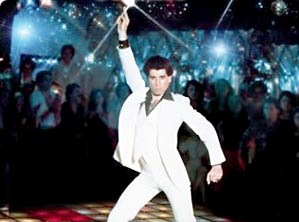
They reach the side of the truck and, like children, spontaneously burst into dance. They throw their arms up, pointer fingers to the sky in John Travolta versions of “Saturday Night Fever.”

As they dance and whoop, the sun pauses its descent into the vast Pacific Ocean, bidding farewell to the western hemisphere and signaling mid-morning to Chinese factory workers as they toil to make crap for American consumers.

One final beam travels over the Fort Bragg headlands, intensifying as it moves through the strip mall parking lot to focus an amber spot of light on the unbridled joy of Hans and Franz.

Moments later, the light dims. They stop and resume their walk: Hans with his confident swagger and Franz with his dignified step.

They have banished my annoyance and replaced it with happiness.

[Whenever you need annoyance replaced with happiness, go to: http://www.youtube.com/watch?v=I_izvAbhExY]

Got Pot?

There are two men in front of me at The Purity checkout line on a Tuesday afternoon—two of the legions of young adult males with no visible means of employment. Pot growers? Occasional construction workers? Drug dealer?. Who knows?

My mother is obsessed with reading bumper stickers. Since I am no way like my mother, I obsessively ignore bumper stickers. However, wear a tee-shirt with something written on it and I’ll follow you around until I can decipher what it says.

One of the gentlemen is wearing a black tee-shirt with bold white lettering. He stands sideways to me, but as he moves, I see the “F” word.

He picks up his soda and chips, turns to his friend, and all the words are revealed:

I will never move away from here.