 Over the past couple of years, I’ve delighted in the murals popping up on buildings around town.
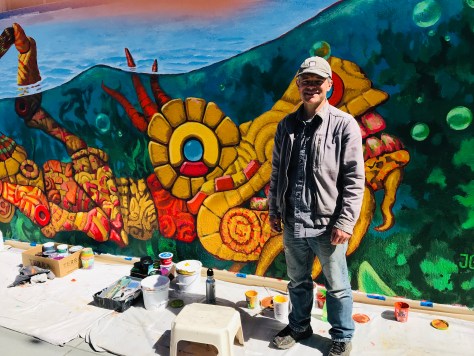
They enrich our area by giving it a sense of playfulness and showcasing the talents of amazing artists. This past summer, I saw a terrific one being painted on a building across from Bainbridge Park. I stopped to admire it and chat with the artist, Jason Godeke. His friendliness and warmth, coupled with the enjoyment he seemed to be having, prompted me to invite him for an interview.
Jason was born in St. Louis, Missouri in 1967. In the early seventies, his parents abandoned their teaching careers and moved to Mendocino. His dad became a lawyer and his mom was the director of the Mendocino Art Center for many years.
As a youngster, Jason didn’t consider himself an artist, even though he did a lot of doodling. An exchange student experience in 1984 changed that perception.
“When I was a sophomore, I heard an exchange student speak at Cotton Auditorium and it sparked my desire to go to another country. It was during a time when I felt I’d become too complacent and needed to shake things up. The following school year, I went to Holland.”
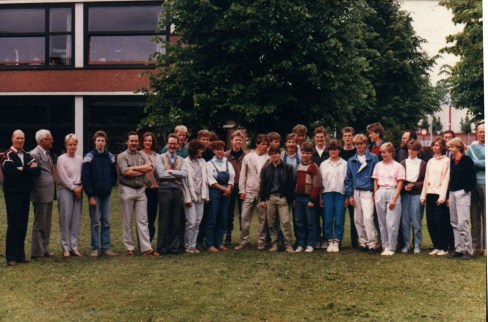 Jason was unprepared to be thrust into a different culture. “It was hard at first—dark and hard.” This was back in a day where communication systems were archaic compared to what they are now. International telephone calls were prohibitively expensive and it took a month to receive a letter, all adding to his feelings of isolation.
“While learning the language, I spoke like a five-year old until I got proficient. This gave me humility and permission to be silly, to take myself less seriously. One way I tried to express myself was through drawing. I learned a lot about art, which is highly celebrated in that county. In addition to all the other museums, the Dutch have two Van Gogh museums. The experience turned out to be great and changed my life.”
Back home for his senior year in high school, his mom suggested he consider going to college in the East. “Without my experience in Holland, I might not have considered going so far away from home.” In the fall of 1986, he entered Yale where he majored in art. While there, he volunteered in a high school art class. “That’s where the teaching bug got me. I knew I didn’t want to try to make a living as an artist.”
After college, Jason moved to San Francisco where he was hired by the de Young Museum to teach art in the schools. “I felt lucky to get this job right out of college.” He also became the Arts Administrator for the Marin Arts Council, a job he held for seven years. All the while he continued to make his own art.
During this time, he married Cristina Mathews. “I’d met her twice while we were in college. A friend brought her to my New Haven apartment to watch a Yale student singing group sing the National Anthem at an Oakland A’s ballgame on my four-inch black and white television set.” He laughed at the memory. They met again in 1994 in Oakland, when a mutual friend, Lisa Allen (who Jason knew from high school), asked him to give Cristina a ride to a party. Cristina was living in the East Bay, tutoring and working at a pizza restaurant.
 By 1997, Jason and Cristina were off to Long Island, New York with their baby boy so Jason could attend Stony Brook University’s MFA program. Cristina eventually entered and completed a PhD program in comparative literature.
After graduation in 2003, they moved to Bloomsburg, Pennsylvania, where Cristina had accepted an English professorship at the university. A year later, Jason was hired as an art professor. “We liked the small town life. Cristina became very involved in the community, especially with the Shade Tree Commission where she helped plant about 170 trees.”
A little over a decade later, they began thinking about the next chapter in their lives. “Cristina was tapped out on college teaching, and our son had moved to Mendocino County. I’d become a little too comfortable as a college teacher and was also ready for a change.”
Cristina applied to and got accepted to law school at UC Berkeley. Jason began teaching art at Fort Bragg Middle School. Cristina graduated in May of this year, and took the bar exam in July. He recently began his third year at the middle school.
Jason empathizes with the emotional struggles of this age group. It takes him back to his time as an exchange student where he felt alone and isolated. Middle school kids are forging new territory and he feels an obligation to help guide them.
“Teaching middle school students has revived teaching for me. It’s demanding of my resources and is making me a better teacher. It’s a daily challenge to make sure they’re learning and to find ways to cultivate their creativity.

Murals created by Fort Bragg Middle School students
“I strive to get students to engage in serious play, to let their minds wander, yet have discipline. Some may be struggling with other subjects and art offers them an opportunity to expressive themselves, to experience real accomplishments. I tell them, and show them, that there are many different ways to succeed with art. Part of that success is in finding surprises. I ask them to surprise me.”
At the end of weekdays that begin with being at school by 6:30-7:00, Jason doesn’t have much time or energy to devote to his own artistic expression. He finds this time during school breaks. In 2018, he learned of the Alleyway Art Project and submitted a portfolio to Lia Wilson. Later in the year, Jason decided to create four possible mural designs that would work with another existing mural on the side of a building at 400 E. Laurel Street across from Bainbridge Park. Lia took Jason’s designs to the building’s owners—Les Cizek and Clay Craig—who had commissioned the other mural in 2017. They agreed to a second. Lia and Flockworks—the local arts organization that sponsors the Alleway Art Project—found funding for it, and got approval from the City of Fort Bragg.
Over the three weeks of creating the mural, Jason had many onlookers. “A van load of folks would show up to eat lunch in the park and they’d sometimes watch the painting. Artists, families going to the library, and some of my students stopped by. The process let people feel involved and allowed me to be a viewer of the project. Some people showed up every day. It felt like performing art where I got to interact with an audience.” The result is a fantastical creature Jason calls “Sub Rosa”—an Aztec Teotihuacan-inspired design that incorporates the richness of the Dutch painters.
 Jason feels lucky to have been able to return to the Mendocino Coast. He loves being near the ocean and the abundance of trees. He enjoys the opportunity to interact with kids on a daily basis. He likes living in the town where his dad has worked for decades as an attorney and to be able to drop by his office for a visit. He gave a warm, contented smile as he said, “When I was growing up in Mendocino, I rarely spent time in Fort Bragg. Now I rarely leave.”
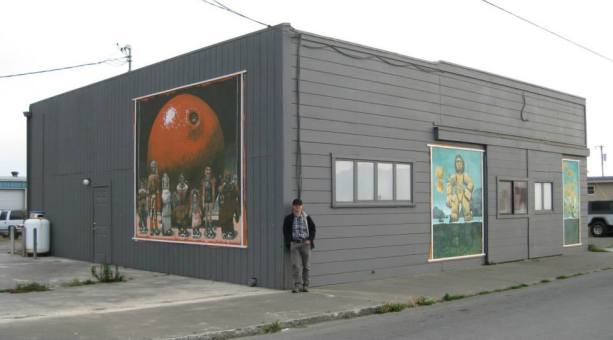
Murals painted by Jason in 2013-2014 for Lost Coast Culture Machine (now the site of Overtime Brewing)
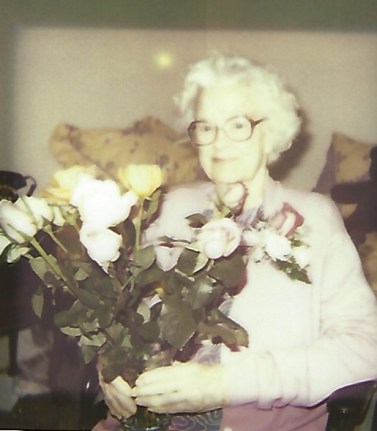
 Mrs. Biklen served iced Cokes in leaded crystal glasses and store-bought cookies on china plates. She treated us with respect, listening to our stories and offering gentle advice. No one had ever paid such attention to me.
 On January 12, 2019, a fire broke out at Chapel by the Sea, the mortuary that’s been our next-door neighbor for 27 years. It was a terrible, surreal thing to witness. Wisps of light gray smoke from the open upstairs doorway quickly grew into roaring flames that exploded windows and engulfed the structure. Our property was never in peril, but that didn’t keep the fire from reaching across the alley to shake the core of my well-being.
 I woke each morning to the ruins of what was once a stately building. In addition to a mortuary, it housed an upstairs apartment. The Blair and then the Reynolds families resided there during our early years in Fort Bragg, and allowed us to create friendships that endure to this day. We share a common grief over the loss of this beloved place.
 I looked forward to the day—September 17—when the process of tearing down the building would begin. That morning, I headed over there with my camera phone. I vaguely felt like I had when the fire broke out—too terrible to watch, yet demanded to be witnessed. I was relieved it would soon be gone, yet mourned the finality. Over the course of four days, a piece of equipment that looked like a Tyrannosaurus Rex crunched walls, chewed them into pieces, and loaded the debris into massive dumpsters to be carted off.





 Haley was born with an adventurous spirit nurtured by her parents Christine Samas and Curt Berry. They encouraged her to explore the avant garde over opting for convention. She loved to dance and became an accomplished local performer, often featured in the annual Second Story Studio Spring Dance Concert. “Growing up, my parents taught me to be happy and interested in the world,” she said. In 2006, her junior year, she dropped of school and spent four months in India.
 In 2008, they moved to Portland, Oregon. It was there that she met Nathan Cann, her future husband. “He’s incredibly intelligent, a deep thinker, and funny. I felt he and his friends were my people.” In 2009, Nathan, who had grown up on the East Coast, moved to New York City to pursue a career in film and art. In 2010, Haley broke up with her boyfriend and followed.
 “In researching the history of snake oil, I learned that the bitters in these concoctions have their origins in medicine. This sparked my interest in cocktails and I started bartending. Cocktails are a totally American invention.” Their stay in the Big Easy lasted a year. During this time, Erica also moved to New Orleans where she added to her knowledge of Southern cooking.
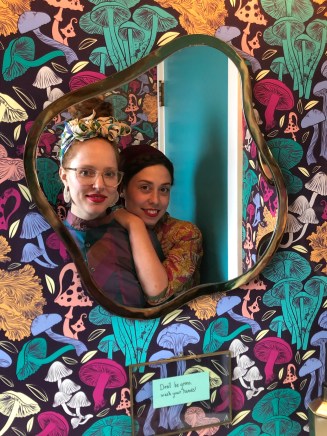 In the summer of 2017, they showcased their culinary talents in a series of pop-up restaurants at the Nye Ranch, Fortunate Farms, and Ellie’s Farmhouse. “We offered cocktail pairings with each course. For example, a carrot cocktail with carrot salad, huckleberry cocktail with huckleberry cobbler. Every drink had one common ingredient from the dish it was paired with.”
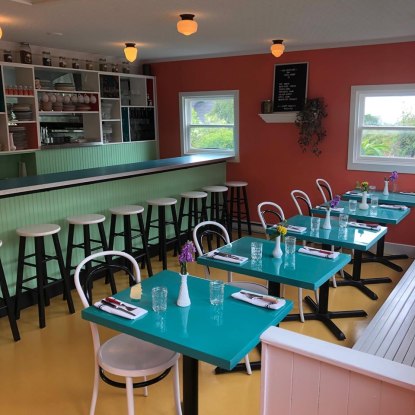 Haley loves being able to once again call Fort Bragg home. “It’s going through a renaissance and attracting new, amazingly talented people. Places like the Larry Spring Museum are being revitalized. The Noyo Center for Marine Science, CV Starr Center, the coastal trail—all of these things are great. There’s support and space for people to be creative, carve out a niche for themselves and open businesses. It’s an exciting time to live here.”

 Carolina grew up fifth in a family of ten children. She has great respect for her parents and their ability to provide for and raise such a large family. Her father has worked in the logging industry for decades and at the age of 65 is a timber faller. Her mother has been a housekeeper at Stanford Inn since 1997. Her father came to this country when he was 15 years old and worked to send money to help is widowed mother and his siblings in Mexico. He eventually made his way to Fort Bragg and in 1979 brought his young bride.
 Carolina wasn’t the first of 50 first cousins to attend college, but she was the first to graduate. Since then, eight others have obtained degrees. Two of her brothers are currently working and going to college, one scheduled to graduate next spring with a degree in mechanical engineering. Her other siblings are gainfully employed; her youngest sister is a senior year in high school.
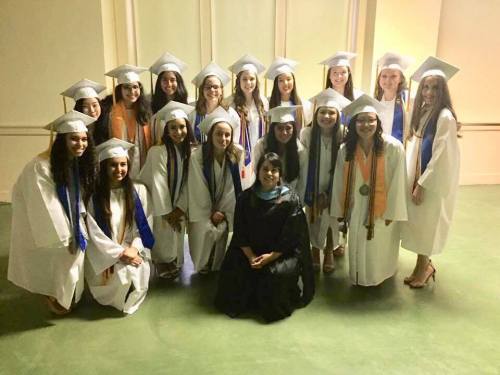 This once shy girl grew into a woman who thoroughly enjoys teaching. “It can be very creative.” During her Master’s program, she became an expert in







 Apparently many Scandinavians believe that by the time we die, the sum of our possessions should fit into a satchel. I suppose this makes disposal of our property easy for our kids—simply pick up the bag and toss it in the garbage. Being half Scandinavian, I suspect it’s really designed to make us feel guilty for accumulating stuff that makes us happy and comfortable. I was raised with the concept that it’s best to live a life of misery and deprivation.
 In my armoire, I found:
 The last Sunday of January, giddy that the dismal month was coming to a close, I celebrated by getting rid of two pairs of expensive, yet uncomfortable, shoes. Toward the end of the day I realized I hadn’t completed my seven. I went to my closet—the perfect place for unused crap to hide. I spied an old gym bag—some swag from two decades ago. I debated over and shoveled five pairs of shoes inside it.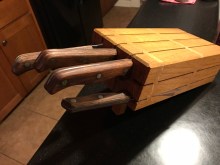
 If you’d asked me how many pairs of sunglasses I own, I’d have said two: a cheap-ass pair bought about 10 years ago and an expensive pair bought two years ago. Imagine my shock to open a cupboard door in my office and find SEVEN PAIRS OF SUNGLASSES!!!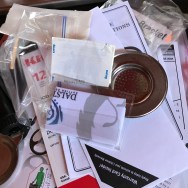


 We moved to Fort Bragg 26 years ago when our children were very young. Our house is across the alley from Chapel by the Sea, the town’s only mortuary. It was the summer between kindergarten and first grade for our older child Harrison. He had no friends and a limited capacity to interact with his three-year old sister (and his parents). At the time, Larry Blair was a partner in the mortuary and lived in the upstairs apartment with his wife Shirley and teenage daughter Charla. Older daughter Charise was married to Nathan who worked for Larry. They lived in the alley apartment.
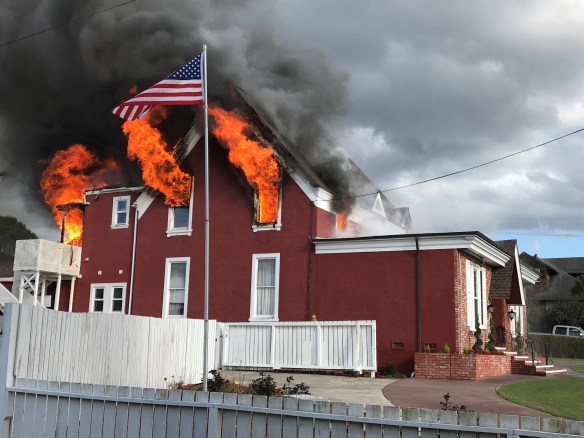 A flurry of law enforcement arrived to cordon off the street. Neighbors gathered, some inside my fence, all of us sharing looks of horror and tears. We watched the smoke grow in volume and black intensity. I cried for it to stop. This stately building stood for over 100 years, the past 26 years as our neighbor. This couldn’t be happening—STOP!
 About 4:30pm, the fire department had contained the blaze and began wrapping up. I am in awe at how, despite the chaos of the fire, they maintained their professionalism and focus. Heavy hoses had been dragged about the property, yet they did not damage one plant of the major landscaping project that was completed this past fall.
 After a fitful night of little sleep, I rose the following morning worried about Julie. I didn’t want to, but couldn’t help, looking out our east windows to a sight I’ve always revered. It was horrible—a burnt out shell of a once stately building. My sadness runs deeper than I could ever have imagined. I can’t fathom how I’ll face this mutilated scar in the coming days and weeks.
 For now, I try to find consolation in the fact that even though the monument is gone, the love it symbolized remains. Charise, Charla, Katelyn, Jacob, Nick, the Blairs and my family share a common grief, but we also share a special bond that will carry us through.
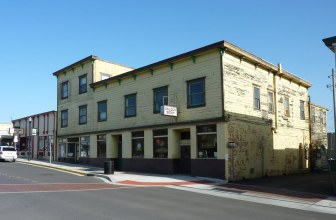
 For over 130 years, the Golden West has stood tall on Redwood Avenue in Fort Bragg. Apartments occupy the top two floors and there’s a retail space at ground level, but the building is most noted for its popular saloon.
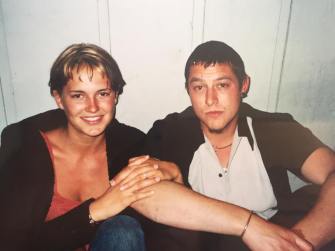 The following summer, she returned to the coast where became friends with Mikael. “We were together for a year and then broke up for a year. After I graduated from college in 2002, I came back and we got together.”
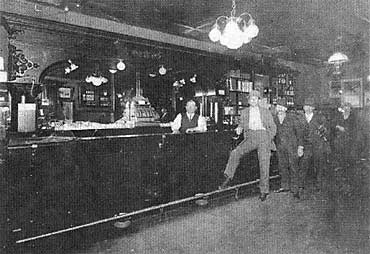 This was when she and Mikael learned that the Golden West was for sale. They lamented they had no money to make their youthful dream of owning it come true. They heard that the Hospitality House was looking to purchase the building to use as a homeless shelter, and felt an urgency to save it and preserve its history.
 -do attitude, Jessica went to work figuring out how to make it happen. “A financial advisor helped me put together a business plan that turned into a three-inch thick document. After pushing hard, it was clear that traditional financing wasn’t an option. The building had 30 years of deferred maintenance. Private investors also turned us down. We made an offer anyway and went into escrow. At the eleventh hour, the sellers agreed to do owner financing and we got it.”
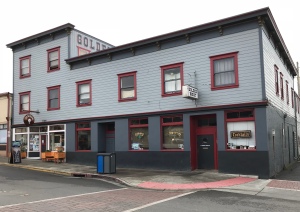 The rooms above the saloon were at different times a hotel, boarding house, and brothel. “There are 26 rooms, some of which are used for storage. We have about 16 tenants. When we took over the building I cleaned out a bunch of rooms. It was fascinating—ancient silk curtains, boudoirs, layers of wall paper telling a chronological history.”
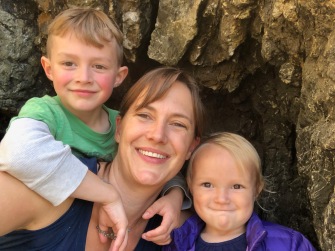 When she was approached with the idea of running for a seat on the city council, it ignited a passion. “The decisions made in the next four years will affect this town for decades. The future of Fort Bragg is critical to me and my family. It’s important that the town’s growth with the mill site and subsequent expansion of infrastructure be done mindfully, in a forward thinking, responsible manner that keeps the soul of our city intact and leverages its natural and historic beauty.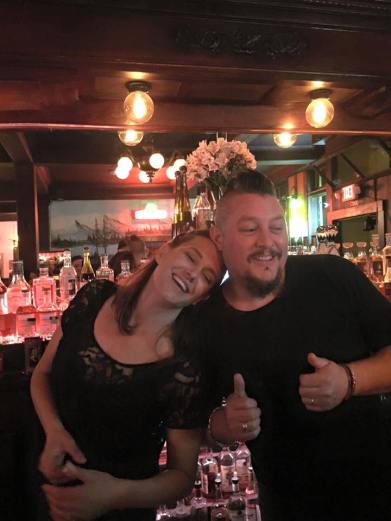

 It Happened at Purity